Santorini Greece Earthquakes: A Comprehensive Guide To Understanding Seismic Activity
BlogSantorini Greece Earthquakes: A Comprehensive Guide To Understanding Seismic Activity - Experts from the Institute of Marine Geology and Geophysics emphasize the importance of continuous research and data collection in improving earthquake prediction models for Santorini. The primary cause of Santorini Greece earthquakes lies in the tectonic movements of the African and Eurasian plates. The subduction zone beneath the Aegean Sea creates stress along fault lines, leading to seismic activity.
Experts from the Institute of Marine Geology and Geophysics emphasize the importance of continuous research and data collection in improving earthquake prediction models for Santorini.
We encourage readers to stay informed about seismic activity in Santorini and take necessary precautions to ensure their safety. Share this article with friends and family, and explore other resources to deepen your knowledge of this fascinating topic. Together, we can promote awareness and preparedness in the face of nature's forces.
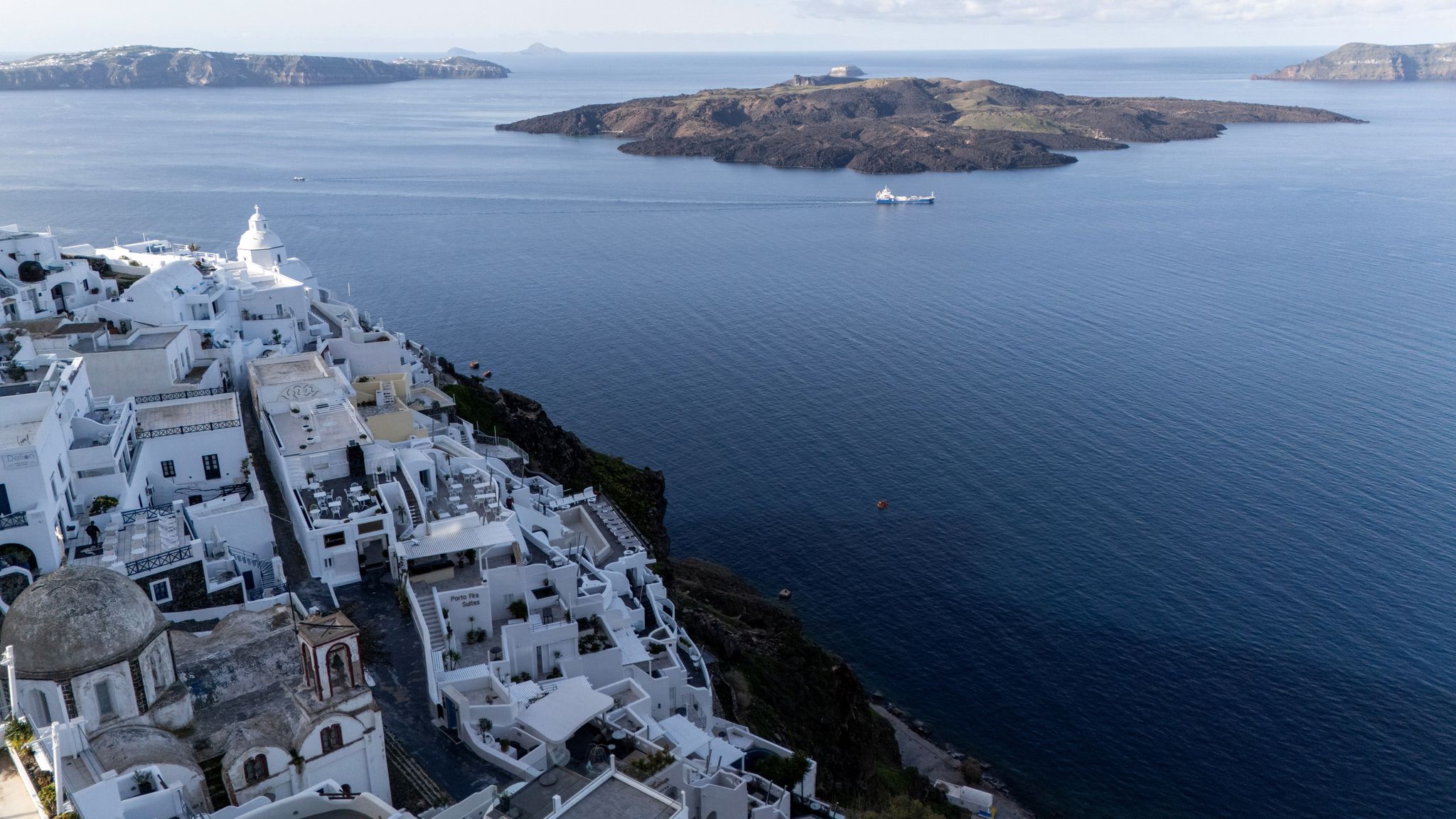
Santorini Greece earthquakes have significantly impacted the island's landscape over the centuries. The most notable changes include the formation of new landmasses and the alteration of the caldera's shape.
For tourists visiting Santorini, understanding what to do during an earthquake is crucial for ensuring personal safety. Simple precautions can make a significant difference in minimizing the risk of injury or harm.
While predicting earthquakes with absolute certainty remains a challenge, advancements in technology and research have improved our ability to forecast seismic activity. Scientists are continually monitoring the tectonic movements in the region to identify potential earthquake triggers.
Santorini is divided into several sub-seismic zones, each with varying levels of seismic activity. Understanding these zones is essential for effective disaster management and urban planning.
By following these precautions, tourists can enjoy their visit to Santorini with peace of mind, knowing they are prepared for any seismic eventuality.
The volcanic activity in Santorini is a result of the subduction zone where the African Plate converges with the Eurasian Plate. This tectonic movement is responsible for the frequent earthquakes experienced in the region. While volcanic eruptions are rare, seismic activity is more common, often serving as a precursor to volcanic events.
Greece declares state of emergency on Santorini after earthquakes
Santorini Greece earthquakes have been recorded throughout history, with some events leaving a significant mark on the island. These earthquakes have not only shaped the physical landscape but also influenced the cultural and architectural development of Santorini.
The subduction of the African Plate beneath the Eurasian Plate generates significant stress, which is periodically released through earthquakes. This process is a natural part of the Earth's tectonic dynamics and is responsible for the seismic activity experienced in Santorini.
Ongoing scientific research on Santorini Greece earthquakes provides valuable insights into the island's seismic behavior. Researchers from around the world collaborate to study the tectonic processes and develop strategies for mitigating the impact of earthquakes.